-
กระจกแก้วหลอมเป็นถังเหล็ก (596)
-
ถังเหล็กไร้ขัด (434)
-
ถังอีพ็อกซี่ฟิวชั่นบอนด์ (592)
-
ถังเหล็กเหล็กเหล็ก (321)
-
หลังคาโดมอลูมิเนียม (1316)
-
ถังเก็บน้ําเสีย (231)
-
ถังเหล็กปั่น (457)
-
ภาชนะรับความดัน (295)
-
เครื่องย่อยแบบไม่ใช้ออกซิเจน (201)
-
ถังเก็บน้ำอุตสาหกรรม (349)
-
ถังเหล็กติดกระจก (180)
-
ถังเหล็กเกลียว (390)
-
ถังเก็บกากตะกอน (115)
-
ถังเก็บก๊าซชีวภาพ (173)
-
ถังเก็บน้ําละลาย (133)
-
ถังเก็บน้ําการเกษตร (179)
-
ถังน้ําไฟ (166)
-
โรงเก็บข้าว (146)
-
โครงการบิโอแก๊ส (425)
-
โครงการบำบัดน้ำเสีย (788)
-
หลังคา 2 แผ่น (223)

|
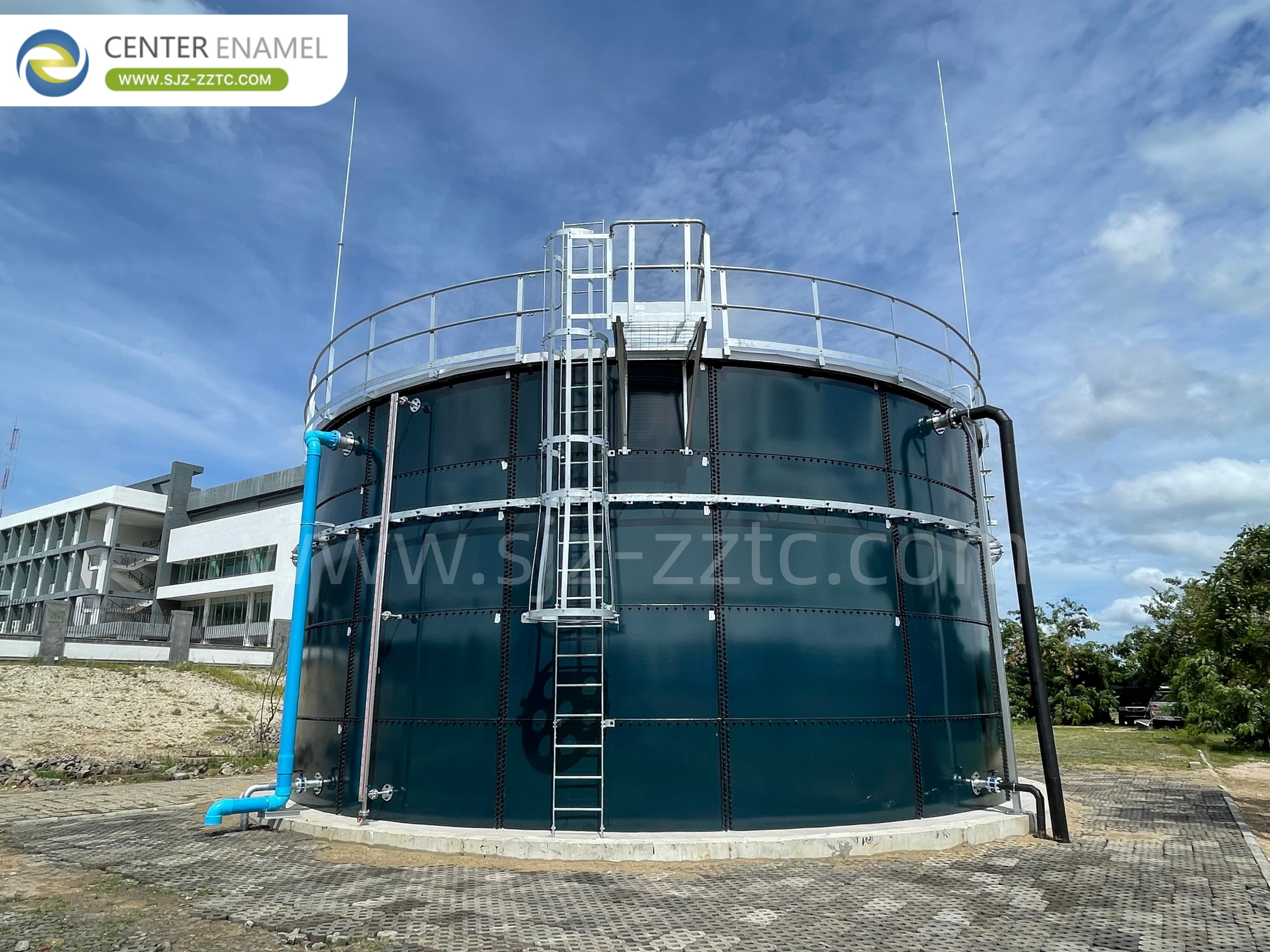
เทคโนโลยีก๊าซชีวภาพขั้นสูงสำหรับโครงการก๊าซชีวภาพ Pennisetum Purpureum ของฟิลิปปินส์
| สถานที่กำเนิด: | จีน |
| ชื่อแบรนด์: | CEC TANKS |
| ได้รับการรับรอง: | ISO 9001:2008, AWWA D103 , OSHA , BSCI |
| หมายเลขรุ่น: | ว |
| จำนวนสั่งซื้อขั้นต่ำ: | 1เซ็ต |
| ราคา: | $5000~$20000 one set |
| รายละเอียดการบรรจุ: | PE โพลีโฟมระหว่างแต่ละแผ่นเหล็กสองแผ่น พาเลทไม้และไม้ |
| เวลาการส่งมอบ: | 10-30 วันหลังจากได้รับเงินมัดจำ |
| เงื่อนไขการชำระเงิน: | แอล/C, ที/ที |
| สามารถในการผลิต: | 60 ชุดต่อเดือน |
|
ข้อมูลรายละเอียด |
|||
| สถานที่กำเนิด | จีน | ชื่อแบรนด์ | CEC TANKS |
|---|---|---|---|
| ได้รับการรับรอง | ISO 9001:2008, AWWA D103 , OSHA , BSCI | หมายเลขรุ่น | ว |
| สีตัวถัง: | สีเขียวเข้ม / สามารถปรับแต่งได้ | ความสมบูรณ์ของการกัดกร่อน: | ยอดเยี่ยม |
| ความหนาของแผ่นเหล็ก: | 3 มม. ถึง 12 มม. ขึ้นอยู่กับโครงสร้างของถัง | ทนต่อสารเคมี: | ยอดเยี่ยม |
| ขนาดของแผง: | 2.4 ม. * 1.2 ม | ทำความสะอาดง่าย: | เรียบเนียน มันวาว เฉื่อย ป้องกันการยึดเกาะ |
| เน้น: | เทคโนโลยีก๊าซชีวภาพ Pennisetum Purpureum,โครงการก๊าซชีวภาพสำหรับการบำบัดน้ำเสีย,โรงงานผลิตก๊าซชีวภาพของฟิลิปปินส์พร้อมการรับประกัน |
||
คําอธิบายสินค้า
เทคโนโลยีไบโอแก๊สที่ก้าวหน้าสําหรับประเทศฟิลิปปินส์ โครงการไบโอแก๊ส Pennisetum Purpureum
ในช่วงหลายปีที่ผ่านมา ฟิลิปปินส์ได้ปรับปรุงภาคพลังงานที่เกิดใหม่และเศรษฐกิจชีวภาพอย่างต่อเนื่อง โดยถูกขับเคลื่อนโดยมอบหมายด้านสิ่งแวดล้อมที่เข้มงวด และความมุ่งมั่นของประเทศในการเป็นนิวเทรัลคาร์บอนขณะที่ประเทศนี้บริหารระบบการเกษตรและอุตสาหกรรมในพื้นที่อย่างเข้มแข็ง, การหลากหลายของวัตถุดิบชีวภาพได้กลายเป็นเส้นทางที่สําคัญสําหรับการพัฒนาที่ยั่งยืนพันนีเซทัม พอร์พูเรียม(หญ้าช้าง) ที่รู้จักกับผลผลิตชีวพฤกษ์ที่สูงมากและรอบการเจริญเติบโตอย่างรวดเร็ว กําลังปรากฏขึ้นเป็นพืชพลังงานชั้นนํา Utilizing targeted biogas technology to convert this high-yielding cultivation into clean bioenergy has become an essential strategy for balancing industrial grid demands and reducing agricultural carbon emissions.
ภาพรวมและการใช้งานของการปลูก Pennisetum Purpureum ในฟิลิปปินส์
พันนีเซทัม พอร์พูเรียมการปลูกพืชกําลังขยายตัวอย่างมากทั่วฟิลิปปินส์ โดยเฉพาะอย่างยิ่งได้รับความโปรดปรานจากสภาพภูมิอากาศแบบอุณหภูมิ ภูมิฝนที่หลากหลาย และแสงอาทิตย์ตลอดปีมีลักษณะคือความต้องการในการบํารุงรักษาที่ต่ํา และความอดทนสูงต่อสภาพดินที่หลากหลาย, มันเป็นพืชที่เหมาะสมสําหรับการเพิ่มผลผลิตของดินสูงสุดในพื้นที่ชนบทและการเกษตรที่ใช้งานน้อยนอกเหนือจากการใช้งานแบบดั้งเดิมของมันในฐานะอาหารสัตว์ที่มีโปรตีนสูง สําหรับภาคอาหารนมและเนื้อวัวที่กําลังขยาย,พันนีเซทัม พอร์พูเรียมเป็นวัตถุดิบอุตสาหกรรมที่มีคุณค่าสูง ซึ่งมีสารลิกโนเซลลูโซ่เป็นจํานวนมาก ทําให้มันเป็นตัวสมัครที่ดีสําหรับการผลิตสารชีวภาพ สารประกอบใยโครงสร้างโดยเฉพาะโรงไฟฟ้าที่ใช้พลังงานจากขยะ
วิธีที่เพนนีเซทัม พอร์พูเรียม เปลี่ยนแปลงเป็นไบโอแก๊ส และผลประโยชน์สําคัญของมันต่อฟิลิปปินส์
การแปลงทางชีวภาพของพันนีเซทัม พอร์พูเรียมinto methane-rich biogas occurs through anaerobic digestion—a sequential biological sequence where specialized bacterial cultures break down complex organic matter in a completely oxygen-free environmentเส้นทางทางชีวเคมีนี้ทํางานผ่าน 4 ขั้นตอนทางชีววิทยา
ไฮดรอลิสส์:โครงสร้างอินทรีย์ขนาดใหญ่และซับซ้อน และเส้นเซลลูโลสดิบถูกละลายและทําให้เรียบง่ายขึ้นเป็นหน่วยขนาดเล็กและละลายได้ เช่น น้ําตาลง่าย
การเกิดกรด:หนอน หนอน หนอน หนอน
การสร้างอะเซตโตเจนเนสแบคทีเรียเอซโตเจนพิเศษ ทําลาย VFAs ต่อไป โดยเปลี่ยนมันเป็นกรดเอเซติก ไฮโดรเจน และคาร์บอนไดออกไซด์
การเกิดเมธาโนเนสส์Archaea methanogenic ที่มีความรู้สึกสูงจะเผาผลาญสารสกัดเหล่านี้, ผลิตกระแสไบโอแก๊สที่มีผลผลิตสูงประกอบด้วยเมธาน ($ CH_ 4 $)
การดําเนินการพันนีเซทัม พอร์พูเรียมโซลูชั่นไบโอก๊าซมีผลประโยชน์ในพื้นที่ที่สําคัญสําหรับฟิลิปปินส์
เสริมความเป็นอิสระด้านพลังงานในชนบทมันให้บริการที่มั่นคง แหล่งพลังงานในประเทศไม่โครงการ ลดความพึ่งพาในเชื้อเพลิงฟอสซิลที่นําเข้าที่แพงในเครือเกาะห่างไกล
ปรับปรุงการใช้ที่ดินให้ดีที่สุดมันทําให้ภาคการเกษตรสามารถฟื้นฟูที่ดินที่ไร้ประโยชน์ หรือที่เหลือด้วยการปลูกปลูกพลังงานที่มีผลผลผลิตสูง
การลดการปล่อยก๊าซเรือนกระจกการแปลงทางชีววิทยาที่ควบคุมกําจัดการละลายซากที่กลางอากาศ และป้องกันการปล่อยเมธานที่ไม่ควบคุมได้
การสนับสนุนการเกษตรที่ยั่งยืนกระบวนการนี้ผลิตสารพิเศษออร์แกนิคไดจีสเตต ที่รวยในสารอาหาร ซึ่งสามารถแทนที่ปุ๋ยเคมีสังเคราะห์ที่แพงในเกษตรภูมิภาคได้
เซ็นเตอร์ เอมาเมล's Footprint: โครงการไบโอแก๊สเพนนีเซทัม พอร์พูเรียม ปากีสถาน
แสดงความสามารถระหว่างประเทศของตนในฐานะผู้รับเหมา EPC โครงการชีวไกสต์ชั้นนําเซ็นเตอร์เอเนมัล ได้นํามาตรการแก้ไขโรคอนาเอโรบิกที่ทันสมัยในเอเชียใต้อย่างสําเร็จ ผ่านการทดลองที่นวัตกรรมพันนีเซทัม พอร์พูเรียมโครงการไบโอแก๊สในปากีสถาน โครงการนี้ใช้ขยะครัวแคเฟเทอรี่และพันนีเซทัม พอร์พูเรียมเป็นวัสดุแท้หลัก โดยใช้กระบวนการ CSTR (Continuous Stirred Tank Reactor) และอุปกรณ์วิศวกรรมเฉพาะอย่างครบถ้วน
โดยการนําเทคโนโลยีการผสมผสานทางกลที่ซับซ้อนเข้าด้วยกัน การออกแบบนี้ทําให้การติดต่ออย่างละเอียด ระหว่างสารสกัดทางอินทรีย์และจุลินทรีย์เพิ่มประสิทธิภาพการละลายอินทรีย์อย่างมาก เพื่อให้เกิด, ผลิตต่อเนื่อง 100 เมตรคิวบิกของไบโอแก๊สต่อวันอุปกรณ์นี้เน้นหลักๆ ในการทดสอบประสิทธิภาพการผลิตน้ํามันชีวไอน้ํา และความมั่นคงในการใช้งานในระยะยาวหลังจากการตรวจสอบที่ประสบความสําเร็จและวัยรุ่นของระยะทดลองปัจจุบันนี้ แผนในอนาคตรวมถึงการสร้างโรงงานชีวไฮโลขนาดใหญ่พันนีเซทัม พอร์พูเรียมเพื่อเร่งการนําพลังงานสีเขียวมาใช้อย่างลึกซึ้งในภูมิภาค
เทคโนโลยี Anaerobic หลัก: CSTR, UASB, USR และ IC
การเลือกระบบกระบวนการทางชีววิทยาที่เหมาะสมเป็นสิ่งสําคัญในการแก้ไขอัตราการอัตราแปรผันผวนของสารอินทรีย์และปริมาณของสารคงที่ที่แขวนสูงที่ลักษณะของกระแสชีวพืชทางการเกษตรCenter Enamel ให้ความเชี่ยวชาญเชี่ยวชาญในสี่กระบวนการ anaerobic ที่แตกต่างกัน:
ซีเอสทีอาร์ (Continuous Stirred Tank Reactor)กระบวนการ CSTR เป็นทางเลือกที่ดีที่สุดสําหรับการจัดการกระแสของขยะที่มีส่วนแข็งสูงหรือผงอินทรีย์หนา เช่นพันนีเซทัม พอร์พูเรียมระบบผสมผสานทางกลที่แข็งแกร่งของมันรักษาสภาพแวดล้อมทางชีววิทยาที่เหมือนกันอย่างสมบูรณ์แบบ โดยการปราบปรามการเกิดขี้ขี้ขี้ขี้ขี้ขี้ขี้ขี้ขี้ขี้ขี้ขี้ขี้ขี้ขี้ขี้ขี้ขี้ขี้ขี้ขี้ขี้ขี้ขี้ขี้ขี้ขี้ขี้ขี้ขี้ขี้ขี้ขี้ขี้ขี้
UASB (Upflow Anaerobic Sludge Blanket) ความละเอียด:กระบวนการระยะเหลวที่ตอบสนองได้อย่างดี เหมาะสําหรับน้ําเสียทางการเกษตรที่ถูกล้างก่อนCOD ที่ละลายได้อย่างรวดเร็ว ภายในระบบปรับปรุงโรงงานที่ประหยัดพื้นที่.
USR (Upflow Solids Reactor)มีการปรับปรุงโดยเฉพาะเจาะจงเพื่อจัดการกระแสขยะที่มีจํานวนของสารแข็งที่แขวนสูง (SS)การปรับแต่งนี้ทํางานโดยการยึดซับซ้อนของสารอินทรีย์ภายในโซนการย่อยสําหรับระยะเวลานาน, รับประกันการแยกแยกอย่างละเอียดและการผลิตไบโอแก๊สที่ดีกว่า
อุปกรณ์ปฏิกิริยา IC (Internal Circulation)ระบบปฏิกิริยาลึกรุ่นใหม่ที่มีประสิทธิภาพสูง มีวงจรระบวนการภายในแบบบูรณาการ 2 ขั้นตอนมันโดดเด่นในการจัดการกับอัตราการบรรจุสารอินทรีย์ขนาดใหญ่ทําให้มันเหมาะสําหรับอุปกรณ์อุตสาหกรรมที่มีกําลังการทํางานสูง
ข้อดีของถัง GFS ในประเทศฟิลิปปินส์ โครงการไฟฟ้าชีวไก๊ส Pennisetum Purpureum
ผลการดําเนินงานในระยะยาวของโครงการอุตสาหกรรมเสียเพื่อพลังงานใด ๆ ขึ้นอยู่กับความน่าเชื่อถือทางโครงสร้างของปฏิกิริยาการกั้นหลักของมันCenter Enamel รวมถังกระจกหลอมเป็นเหล็กระดับโลก (GFS) เพื่อให้มีผลประโยชน์ในการทํางานที่ไม่มีคู่แข่งในสภาพแวดล้อมอุณหภูมิที่ต้องการ:
การป้องกันทางเคมีและการเกรดแบบพิเศษ:การละลายแบบไม่อาเอโรบิกของชีวพืชออร์กานิคสร้างกรดออร์กานิคที่รุนแรงและก๊าซไฮโดรเจนซัลไฟด์ (H2S$) ที่เกียจมากชั้นกันน้ําที่แยกเหล็กออกจากการสกัดเคมีอย่างสมบูรณ์แบบ, เกินคอนกรีตธรรมดาหรือเหล็ก welded.
ความสามารถในการปรับตัวต่อสภาพอากาศที่รุนแรงและพายุไทฟูนประเทศฟิลิปปินส์มีพายุอุณหภูมิที่รุนแรงและความชื้นสูงทําให้เรือทนแรงลมได้ดีขึ้นการเคลื่อนไหวในท้องถิ่น และการขยายความร้อน โดยไม่ทําให้เกิดรอยแตก
การติดตั้งที่สถานที่อย่างรวดเร็วและโลจิสติกถัง GFS ที่ถูกผลิตโดยสิ้นเชิงภายในสภาพแวดล้อมโรงงานที่ควบคุม ได้ถูกส่งไปยังสถานที่โครงการเป็นแบบโมดูล และถูกตั้งขึ้นอย่างรวดเร็ว โดยใช้เครื่องจับไฮดรอลิกพิเศษวิธีนี้กําจัดระยะเวลาในการแข็งคอนกรีตที่ยาวนานและลดความต้องการแรงงานในท้องถิ่นการประกันการใช้งานของโครงการอย่างรวดเร็ว
การปรับปรุงผลกระทบกับพื้นที่และการปรับขนาดพื้นที่สามารถจํากัดมากในแผนการเกษตรพาณิชย์ การจัดตั้งถังแนวตั้งให้ความจุขนาดใหญ่ในขณะที่ใช้พื้นที่ที่ดินน้อยทําให้ง่ายต่อการเพิ่มหน่วยโมดูเลอร์ที่ตรงกันอย่างต่อเนื่อง เมื่อปริมาณการแปรรูปชีวพืชที่เข้ามาเพิ่มขึ้นตามเวลา.
ทําไมต้องร่วมมือกับ Center Enamel สําหรับโครงการไบโอแก๊ส
การเลือก Center Enamel เป็นผู้รับเหมา EPC ที่เชี่ยวชาญของท่าน มีข้อดีทางการดําเนินงานและเทคโนโลยีมากมาย
แพคเกจวิศวกรรมมือสองเราให้บริการในวงจรชีวิตของโครงการครอบคลุมทุกอย่าง รวมถึงการออกแบบกระบวนการทางชีววิทยาที่กําหนดเอง การผลิตถังระดับสูง การจัดหาอุปกรณ์แม่นยํา การติดตั้งในพื้นที่อย่างรวดเร็วและการใช้ระบบอัตโนมัติที่ฉลาด.
การออกแบบทางเทคนิคที่เหมาะสมเข้าใจว่าคุณสมบัติของชีวพืชจะแตกต่างกันขึ้นอยู่กับรอบการเก็บเกี่ยวและขนาดการแปรรูปวิศวกรผู้เชี่ยวชาญของเราตั้งค่าการวางแผนโรงงานแอเนอโรบิกทุกตัว ให้ตรงกับคุณสมบัติของขยะในท้องถิ่นและปริมาตรสิ่งแวดล้อมในภูมิภาค.
ชุดอุปกรณ์ที่บูรณาการอย่างสมบูรณ์นอกเหนือจากการผลิตถัง GFS ระดับพรีเมียม เรายังออกแบบและใช้ส่วนประกอบกระบวนการที่สําคัญ เช่น เครื่องเก็บก๊าซแบบเปลือกสอง ตัว ระบบการผสมผสานที่เหมาะสม และหน่วยทําความสะอาดก๊าซชีวภาพที่ทันสมัย
ประวัติการดําเนินโครงการระดับโลกที่กว้างขวางด้วยระบบเก็บและบํารุงรักษา ที่ใช้ได้สําเร็จในกว่า 100 ประเทศCenter Enamel ประสานงานกับนวัตกรรมโลกในด้านการนําขยะมาใช้ในพลังงาน ให้ตรงกับมาตรฐานในท้องถิ่นและมอบหมายด้านสิ่งแวดล้อมที่เข้มงวด.
การศึกษากรณีโครงการที่ผ่านการพิสูจน์จากอุตสาหกรรม
ความสามารถในการออกแบบทั่วโลกของ Center Enamel และมาตรฐานวิศวกรรมที่แข็งแกร่งถูกแสดงผ่านอุปกรณ์ปรับปรุงพลังงานจากขยะในระดับนานาชาติ:
กรณีที่ 1: โครงการไบโอแก๊สมาเลเซีย
ขนาดของถัง: φ22.93 × 12.325 m (H) 1 หน่วย
ปริมาณรวม: 5087 m3
วันที่เสร็จสิ้น: 2025
กรณีที่ 2: โครงการไบโอแก๊สอินโดนีเซีย
การใช้งาน: เครื่องปฏิกิริยาแอเนอโรบีสําหรับโรงงานบําบัดน้ําเสียน้ํามันปาล์ม
รุ่นถัง: Ø17.58 × 8.4 m; Ø16.82 × 7.2 m
จํานวนถัง: 3 ถัง GFS
วันที่ติดตั้ง: 2013
การพัฒนาโครงสร้างพื้นฐานที่ทันสมัยและยั่งยืนเป็นสิ่งจําเป็นในขณะที่ฟิลิปปินส์เพิ่มความมุ่งมั่นในการพัฒนาเศรษฐกิจสีเขียวและการฟื้นฟูทรัพยากรอย่างยั่งยืนสร้างอาคารพิเศษพันนีเซทัม พอร์พูเรียมโครงการแปรรูปไบโอแก๊สที่ใช้เทคโนโลยีไบโอแก๊สที่ทันสมัย กระบวนการ CSTR ที่ยืดหยุ่นและถัง GFS เกรดสูง ให้ผู้ผลิตเกษตรพาณิชย์และองค์การบริหารส่วนตําบลโดยการสร้างความร่วมมือทางกลยุทธ์กับเซ็นเตอร์เอเนมอลผู้มีส่วนร่วมในองค์การบริหารส่วนตําบลและอุตสาหกรรมได้รับการเข้าถึงโดยตรงกับวิศวกรรมกระบวนการชั้นนําของโลก, การตั้งแบบแบบอ่อนแอโรบิกที่ผ่านการพิสูจน์ในพื้นที่ และระบบการกักกันที่ทนทานลดค่าใช้จ่ายในการกําจัดขยะประจําวันลงมาก, และผลิตแหล่งพลังงานที่สะอาดที่น่าเชื่อถือ เพื่อรับประกันว่า ป้องกันสิ่งแวดล้อมในระยะยาวของฟิลิปปินส์ และเป้าหมายพลังงานที่สามารถปรับปรุงได้