-
กระจกแก้วหลอมเป็นถังเหล็ก (596)
-
ถังเหล็กไร้ขัด (434)
-
ถังอีพ็อกซี่ฟิวชั่นบอนด์ (592)
-
ถังเหล็กเหล็กเหล็ก (321)
-
หลังคาโดมอลูมิเนียม (1316)
-
ถังเก็บน้ําเสีย (231)
-
ถังเหล็กปั่น (457)
-
ภาชนะรับความดัน (295)
-
เครื่องย่อยแบบไม่ใช้ออกซิเจน (201)
-
ถังเก็บน้ำอุตสาหกรรม (349)
-
ถังเหล็กติดกระจก (180)
-
ถังเหล็กเกลียว (390)
-
ถังเก็บกากตะกอน (115)
-
ถังเก็บก๊าซชีวภาพ (173)
-
ถังเก็บน้ําละลาย (133)
-
ถังเก็บน้ําการเกษตร (179)
-
ถังน้ําไฟ (166)
-
โรงเก็บข้าว (146)
-
โครงการบิโอแก๊ส (425)
-
โครงการบำบัดน้ำเสีย (788)
-
หลังคา 2 แผ่น (223)

|
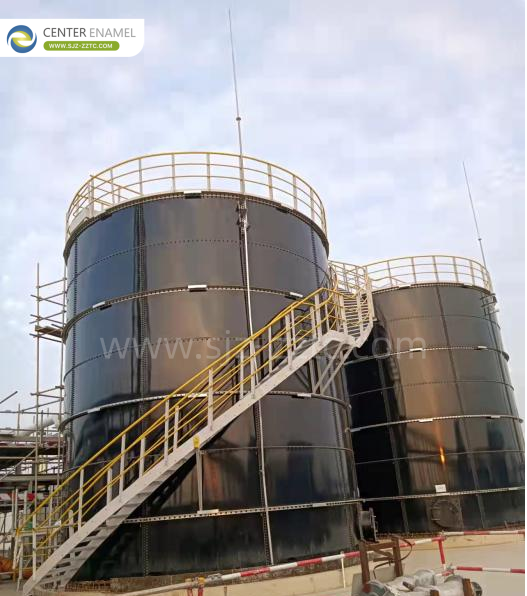
การเปลี่ยนแปลงของเสียจากสุกร: โซลูชันก๊าซชีวภาพขั้นสูงและถัง GFS ในลาว
| สถานที่กำเนิด: | จีน |
| ชื่อแบรนด์: | CEC TANKS |
| ได้รับการรับรอง: | ISO 9001:2008, AWWA D103 , OSHA , BSCI |
| หมายเลขรุ่น: | ว |
| จำนวนสั่งซื้อขั้นต่ำ: | 1เซ็ต |
| ราคา: | $5000~$20000 one set |
| รายละเอียดการบรรจุ: | PE โพลีโฟมระหว่างแต่ละแผ่นเหล็กสองแผ่น พาเลทไม้และไม้ |
| เวลาการส่งมอบ: | 10-30 วันหลังจากได้รับเงินมัดจำ |
| เงื่อนไขการชำระเงิน: | แอล/C, ที/ที |
| สามารถในการผลิต: | 60 ชุดต่อเดือน |
|
ข้อมูลรายละเอียด |
|||
| สถานที่กำเนิด | จีน | ชื่อแบรนด์ | CEC TANKS |
|---|---|---|---|
| ได้รับการรับรอง | ISO 9001:2008, AWWA D103 , OSHA , BSCI | หมายเลขรุ่น | ว |
| สีตัวถัง: | สีเขียวเข้ม / สามารถปรับแต่งได้ | ความสมบูรณ์ของการกัดกร่อน: | ยอดเยี่ยม |
| ความหนาของแผ่นเหล็ก: | 3 มม. ถึง 12 มม. ขึ้นอยู่กับโครงสร้างของถัง | ทนต่อสารเคมี: | ยอดเยี่ยม |
| ขนาดของแผง: | 2.4 ม. * 1.2 ม | ทำความสะอาดง่าย: | เรียบเนียน มันวาว เฉื่อย ป้องกันการยึดเกาะ |
| เน้น: | โซลูชั่นก๊าซชีวภาพสำหรับของเสียจากสุกร,ถัง GFS สำหรับบำบัดน้ำเสีย,การบำบัดน้ำเสียจากก๊าซชีวภาพในประเทศลาว |
||
คําอธิบายสินค้า
การแปลงขยะหมู:ระดับสูงโซลูชั่นไบโอแก๊สและถัง GFS ใน ลาว
ในขณะที่ภูมิทัศน์การเกษตรในเอเชียตะวันออกเฉียงใต้มีการพัฒนา ลาวกําลังเห็นการเปลี่ยนแปลงที่สําคัญในการผลิตสัตว์การจัดการขยะอินทรีย์ได้กลายเป็นจุดสําคัญสําหรับการพัฒนาที่ยั่งยืนโดยการบูรณาการโซลูชั่นไบโอแก๊ส, การกระบวนการ USRและถังกระจกหลอมเหล็ก (GFS), ผู้ประกอบการฟาร์มในลาออสสามารถแปลงปัญหาด้านสิ่งแวดล้อมให้เป็นโอกาสในด้านพลังงานที่เกิดใหม่ได้อย่างมีประสิทธิภาพ
ภูมิทัศน์ของลาว ภาคหมู
อุตสาหกรรมการเลี้ยงหมูในลาวปัจจุบันกําลังผ่านช่วงการปรับปรุงทันสมัยผลิตภัณฑ์ทางการค้าเพื่อตอบสนองความต้องการในประเทศที่เพิ่มขึ้นของโปรตีนและลดความ 의존ต่อการนําเข้าการปลูกอาหารที่ทันสมัยกําลังเพิ่มขึ้นในภูมิภาคสําคัญ สนับสนุนความมั่นคงทางอาหารในท้องถิ่นและเศรษฐกิจแห่งชาติการอุตสาหกรรมนี้ส่งผลให้เกิดปริมาณของขยะอินทรีย์ "ความแข็งแรงสูง" ที่มากเกินความสามารถในการประมวลผลของวิธีการกําจัดแบบดั้งเดิม.
อันตรายต่อสิ่งแวดล้อมจากการปล่อยปุ๋ยหมูโดยตรง
ในสภาพภูมิอากาศแบบอุณหภูมิและฤดูฝนของลาว การกําจัดขยะหมูที่ไม่ถูกต้องเป็นอันตรายต่อสิ่งแวดล้อมอย่างหนัก
การ สกปรก น้ํา: การปล่อยน้ําโดยตรง ส่งผลให้มีสารไนเตรต ฟอสฟอรัส และเชื้อโรคหลั่งเข้าไปในน้ําที่สําคัญ เช่น อุบลมน้ําแม่น้ําเมคอง ทําให้น้ําที่ใช้สําหรับการดื่มและชลประทานเสื่อม
ปนเปื้อน แอร์โฟรส: การละลายของหมักที่ไม่ได้รับการบําบัดปล่อยเมธานจํานวนมาก ($CH_4$) และอะโมเนียก ซึ่งส่งผลกระทบต่อคุณภาพอากาศในท้องถิ่นและส่งผลต่อการก่อก๊าซเรือนกระจกทั่วโลก
การทําลายดิน: การนําปุ๋ยไปใช้เกินหรือไม่ถูกปุ๋ยจะทําให้มีสารอาหารมากเกินไป และมีโลหะหนักสะสมอยู่ในดิน ส่งผลให้ผลผลิตพืชเสื่อม
ความเสี่ยงต่อความปลอดภัยทางชีวภาพ: ขยะที่บริหารไม่ดีเป็นแหล่งเก็บของของเชื้อโรค อันเสี่ยงต่อสุขภาพสัตว์และเพิ่มความเสี่ยงของโรคจากสัตว์ในชุมชนชนบท
นโยบายการบําบัดน้ําเสียในลาว
รัฐบาลลาว ยอมรับความจําเป็นในการดูแลสิ่งแวดล้อม และได้นํามาตรฐานระดับชาติมาใช้ในการควบคุมขยะอุตสาหกรรมและการเกษตรผ่านกระทรวงทรัพยากรธรรมชาติและสิ่งแวดล้อมกฎหมายบังคับให้อุปกรณ์การเกษตรขนาดใหญ่นําระบบการบําบัดขยะที่มีประสิทธิภาพมาใช้ เพื่อปกป้องทรัพยากรธรรมชาติที่แท้ของประเทศแผนยุทธศาสตร์แห่งชาติสําหรับการพัฒนาสีเขียวเทคโนโลยีไบโอแก๊สเพื่อบรรเทาการเปลี่ยนแปลงสภาวะอากาศ และส่งเสริมการใช้พลังงานไฟฟ้าในชนบทผ่านพลังงานสะอาด
กระบวนการ ผสมผสาน อุปกรณ์ จาก หมู เป็น ไบโอแก๊ส
การแปลงปุ๋ยหมูให้เป็นไบโอแก๊ส เป็นวิธีการชีววิทยาที่ซับซ้อน
การรวบรวม: น้ําหมูและน้ําล้างจะรวบรวมในซองกลางเพื่อเตรียมการแปรรูป
การย่อยอาหารแบบไม่แอโรบิก: ขยะถูกนําเข้าไปในอากาศที่ไม่มีออกซิเจนเครื่องปฏิกิริยาอนาเอโรบิก.
การ แตก ลง ทาง ชีววิทยา: แบคทีเรียเฉพาะเจาะจงย่อยสลายสารอินทรีย์ผ่านสี่ขั้นตอนสําคัญ คือ ไฮดรอลิส, แอซิดอเจนเนส, แอเซตอเจนเนส และเมธาโนเจนเนส
การจับเมธาน: บีโอแก๊สที่เกิดขึ้น (มักจะเป็นเมธาน) จะถูกเก็บไว้เพื่อใช้ในพลังงาน
การเรียกคืนทรัพยากร: บิโอก๊าซถูกนําไปใช้ในการทําความร้อนหรือไฟฟ้า ขณะที่สารพิเศษที่รวยในสารอาหารใช้เป็นปุ๋ยอินทรีย์ที่มีคุณภาพสูง
กระบวนการเฉพาะพิเศษแบบแอเนอโรบิก: CSTR, UASB, USR และ IC
Center Enamel ให้บริการเทคโนโลยีปฏิกิริยาที่หลากหลายที่ปรับปรุงให้กับลักษณะเฉพาะของขยะสัตว์:
USR (Upflow Solids Reactor): ได้ถูกออกแบบมาโดยเฉพาะสําหรับขยะที่มีสารแข็งที่แขวนสูง (SS) เช่นปุ๋ยหมูหนา มันทําให้การทําลายเส้นใยที่ซับซ้อนสูงที่สุด และทําให้มีอัตราการบรรจุอินทรีย์สูง
ซีเอสทีอาร์ (Completely Stirred Tank Reactor): ใช้การปั่นกลไกเพื่อรักษาความสับสนแบบเรียบร้อย ป้องกันผิวคราบและรับประกันการย่อยสลายอย่างต่อเนื่อง
UASB (Upflow Anaerobic Sludge Blanket): ปรับปรุงให้ดีที่สุดสําหรับน้ําล้างที่หนักเป็นของเหลว โดยใช้ผ้าห่มแกรนเลอร์เพื่อการบําบัดอย่างรวดเร็วและการกําจัด COD ที่มีประสิทธิภาพสูง
อุปกรณ์ปฏิกิริยา IC (Internal Circulation): ระบบอัตราการทํางานสูง โดยใช้แก๊สลิฟท์ในการหมุนเวียนภายใน เหมาะสําหรับการใช้งานอุตสาหกรรมขนาดใหญ่ที่ต้องการความเร็วในการแปรรูปสูง
ข้อดีของการใช้งานของถัง GFS ในโครงการไบโอแก๊ส
สําหรับโครงสร้างพื้นฐานด้านไบโอก๊าซ ในสภาพแวดล้อมอุณหภูมิ เช่น ลาวถังกระจกหลอมเหล็ก (GFS)เป็นมาตรฐานในอุตสาหกรรม
ความทนทานต่อการกัดกร่อนสูงกว่า: สายพันธุ์กระจกกับเหล็กป้องกันจาก H2S และกรดอินทรีย์ที่เกิดจากการย่อยอาหาร
การ สร้าง โมดูล เร็ว: ถังเหล่านี้สามารถใช้ได้เร็วขึ้นในสถานที่ห่างไกล เมื่อเทียบกับคอนกรีตแบบดั้งเดิม
ความ อด ทน ของ อุณหภูมิ: ถัง GFS สามารถทนต่อระดับ UV ที่สูง, ความชื้นสูง, และฝนฤดูใบไม้ผลิที่รุนแรงโดยไม่เสียสภาพ
อายุการใช้งานยาว: ด้านผิวเรียบและอ่อนแอป้องกันการสะสมเกลียว ทําให้อายุการใช้งานที่สะดวกต่อการบํารุงรักษามากกว่า 30 ปี
ทําไมต้องเป็นพันธมิตรกับเซ็นเตอร์เอมเมล
การเลือกสารกรองกลางให้เจ้าของไร่มีข้อดีต่อการแข่งขันในด้านวิศวกรรมสิ่งแวดล้อม
โซลูชั่น EPC เคลียร์: เราบริหารวงจรชีวิตของโครงการทั้งหมด รวมถึงการออกแบบกระบวนการทางชีววิทยา การผลิตถัง และการติดตั้ง
ความเชี่ยวชาญระดับโลก: ด้วยการมีส่วนร่วมในกว่า 100 ประเทศ เราปรับเทคโนโลยีของเราให้เหมาะสมกับสภาวะอากาศและความต้องการการดําเนินงานในพื้นที่เฉพาะเจาะจง
ความสอดคล้องกับมาตรฐานสากล: โซลูชั่นในการเก็บของของเราตอบสนองหรือเกินมาตรฐาน AWWA D103, OSHA และ ISO, รับประกันความปลอดภัยและความน่าเชื่อถือ
ผลงานที่ปรับปรุง: เครื่องปฏิกิริยาของเราถูกออกแบบให้สามารถผลิตไบโอแก๊สได้สูงที่สุด และมีคุณภาพน้ําเสียสูงสุด
ประวัติความสําเร็จทั่วโลก: การเปลี่ยนขยะให้มีคุณค่า
กรณี1: โครงการบิโอแก๊สฝรั่งเศส
ขั้นตอนกระบวนการ: CSTR
ขนาดของถัง: φ18.33 × 8.4 m (H) 1 หน่วย
ปริมาตรรวม: 2,215 m3 1 หน่วย
ปีการเสร็จสิ้น: 2021
กรณี2: โครงการไบโอแก๊สในอินโดนีเซีย
การใช้ในถัง: โรงงานบํารุงน้ําเสียจากน้ํามันปาล์ม
รุ่นถัง: Ø19.86 × 8.4 m
จํานวนถัง: 3 ถัง GFS
การติดตั้ง: 7 คน, 40 วัน
วันที่ติดตั้ง: พฤศจิกายน 2009
สําหรับอุตสาหกรรมหมูที่กําลังเติบโตในลาวกระบวนการ USRและถัง GFSเปิดทางสู่การเติบโตอย่างยั่งยืน ความเชี่ยวชาญของศูนย์ Enamel® ช่วยให้เกษตรกรสามารถตอบสนองกฎหมายสิ่งแวดล้อมในขณะที่ลดต้นทุนพลังงานและปกป้องทรัพยากรธรรมชาติ