-
กระจกแก้วหลอมเป็นถังเหล็ก (596)
-
ถังเหล็กไร้ขัด (434)
-
ถังอีพ็อกซี่ฟิวชั่นบอนด์ (592)
-
ถังเหล็กเหล็กเหล็ก (321)
-
หลังคาโดมอลูมิเนียม (1316)
-
ถังเก็บน้ําเสีย (231)
-
ถังเหล็กปั่น (457)
-
ภาชนะรับความดัน (295)
-
เครื่องย่อยแบบไม่ใช้ออกซิเจน (201)
-
ถังเก็บน้ำอุตสาหกรรม (349)
-
ถังเหล็กติดกระจก (180)
-
ถังเหล็กเกลียว (390)
-
ถังเก็บกากตะกอน (115)
-
ถังเก็บก๊าซชีวภาพ (173)
-
ถังเก็บน้ําละลาย (133)
-
ถังเก็บน้ําการเกษตร (179)
-
ถังน้ําไฟ (166)
-
โรงเก็บข้าว (146)
-
โครงการบิโอแก๊ส (425)
-
โครงการบำบัดน้ำเสีย (788)
-
หลังคา 2 แผ่น (223)

|
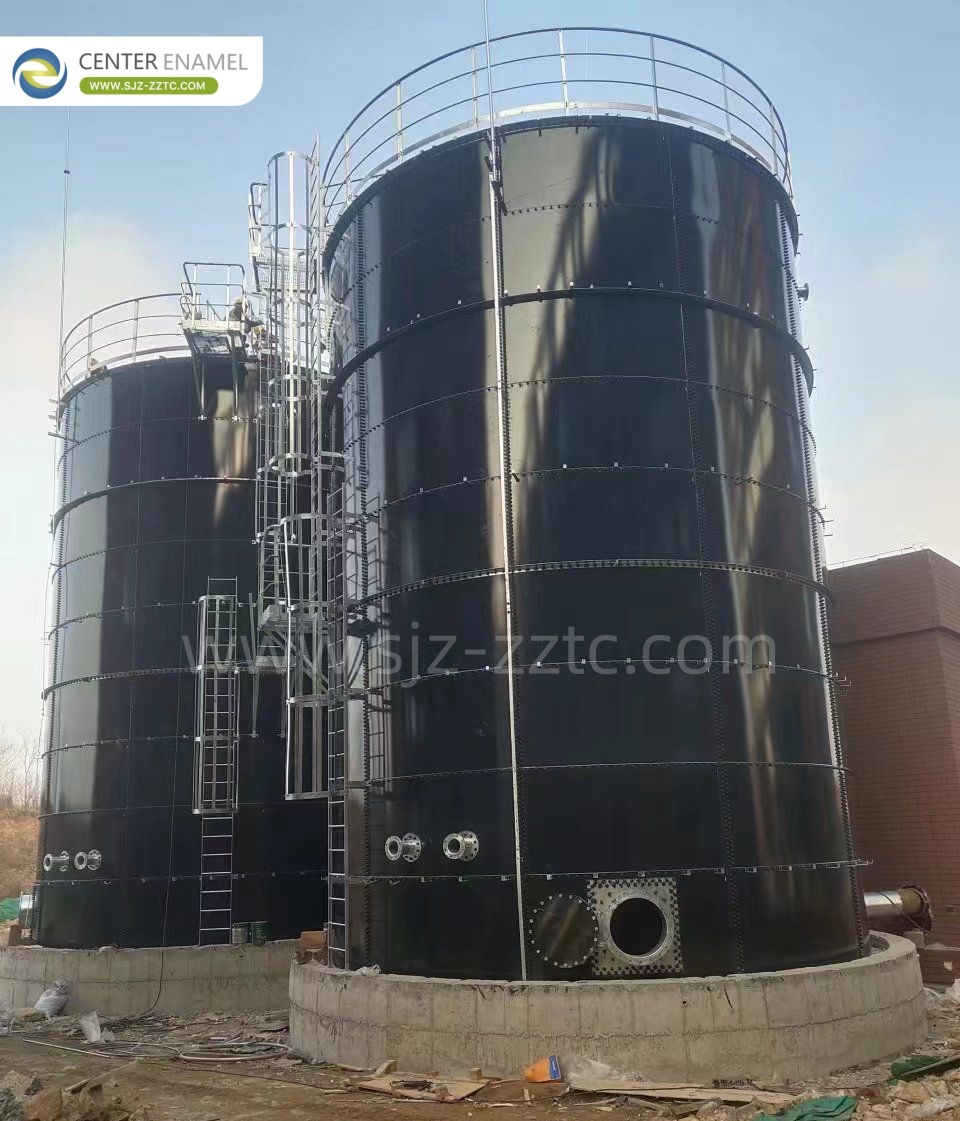
การปรับปรุงขยะหมู: โซลูชั่นไบโอแก๊สที่ทันสมัยและถัง GFS ในอินเดีย
| สถานที่กำเนิด: | จีน |
| ชื่อแบรนด์: | CEC TANKS |
| ได้รับการรับรอง: | ISO 9001:2008, AWWA D103 , OSHA , BSCI |
| หมายเลขรุ่น: | ว |
| จำนวนสั่งซื้อขั้นต่ำ: | 1เซ็ต |
| ราคา: | $5000~$20000 one set |
| รายละเอียดการบรรจุ: | PE โพลีโฟมระหว่างแต่ละแผ่นเหล็กสองแผ่น พาเลทไม้และไม้ |
| เวลาการส่งมอบ: | 10-30 วันหลังจากได้รับเงินมัดจำ |
| เงื่อนไขการชำระเงิน: | แอล/C, ที/ที |
| สามารถในการผลิต: | 60 ชุดต่อเดือน |
|
ข้อมูลรายละเอียด |
|||
| สถานที่กำเนิด | จีน | ชื่อแบรนด์ | CEC TANKS |
|---|---|---|---|
| ได้รับการรับรอง | ISO 9001:2008, AWWA D103 , OSHA , BSCI | หมายเลขรุ่น | ว |
| สีตัวถัง: | สีเขียวเข้ม / สามารถปรับแต่งได้ | ความสมบูรณ์ของการกัดกร่อน: | ยอดเยี่ยม |
| ความหนาของแผ่นเหล็ก: | 3 มม. ถึง 12 มม. ขึ้นอยู่กับโครงสร้างของถัง | ทนต่อสารเคมี: | ยอดเยี่ยม |
| ขนาดของแผง: | 2.4 ม. * 1.2 ม | ทำความสะอาดง่าย: | เรียบเนียน มันวาว เฉื่อย ป้องกันการยึดเกาะ |
| เน้น: | สารแก้ไขน้ํามันชีวไฮโลจากขยะหมู อินเดีย,ถัง GFS การบําบัดน้ําเสีย,โครงการบําบัดน้ําเสีย |
||
คําอธิบายสินค้า
การปฏิรูปขยะหมู:ขั้นสูงโซลูชั่นก๊าซชีวภาพและรถถัง GFS ในอินเดีย
เนื่องจากภูมิทัศน์ทางการเกษตรของอินเดียได้รับการปรับปรุงให้ทันสมัยอย่างรวดเร็วเพื่อตอบสนองความต้องการโปรตีนของประชากรที่เพิ่มขึ้น อุตสาหกรรมสุกรจึงกลายเป็นภาคส่วนที่มีความสำคัญมากขึ้น อย่างไรก็ตาม การเปลี่ยนจากการทำฟาร์มแบบเดิมๆ ในสวนหลังบ้านไปสู่การเลี้ยงสุกรแบบเข้มข้นขนาดใหญ่นำมาซึ่งความท้าทายด้านสิ่งแวดล้อมที่สำคัญ: การจัดการของเสียจากปศุสัตว์ปริมาณมหาศาล สำหรับฟาร์มสุกรทั่วประเทศอินเดียที่นำขั้นสูงโซลูชั่นก๊าซชีวภาพไม่ใช่ทางเลือกอีกต่อไป แต่เป็นความจำเป็นเชิงกลยุทธ์ในการสร้างสมดุลระหว่างการเติบโตของอุตสาหกรรมกับการดูแลสิ่งแวดล้อม ด้วยการรวมกระบวนการที่มีประสิทธิภาพสูงเช่นCSTR (เครื่องปฏิกรณ์แบบถังกวนโดยสิ้นเชิง)มีความคงทนถังผสมแก้วเป็นเหล็ก (GFS)ผู้ประกอบการฟาร์มเปลี่ยนมูลสุกรอันตรายให้เป็นแหล่งพลังงานหมุนเวียนที่สะอาดได้สำเร็จ
ภูมิทัศน์ภาคสุกรของอินเดีย
อุตสาหกรรมการเลี้ยงสุกรในอินเดียกระจุกตัวอยู่ในรัฐทางตะวันออกเฉียงเหนือเป็นหลัก เช่นเดียวกับภูมิภาคเช่น Kerala, Goa และ Punjab ในช่วงไม่กี่ปีที่ผ่านมา มีการเปลี่ยนแปลงอย่างเห็นได้ชัดไปสู่การค้าในเชิงพาณิชย์ โดยมีการจัดตั้งสถานที่เพาะพันธุ์ที่ทันสมัย และพื้นที่เลี้ยงที่มีความหนาแน่นสูง แม้ว่าสิ่งนี้จะสนับสนุนความมั่นคงด้านอาหารในท้องถิ่นและการพัฒนาเศรษฐกิจ แต่ก็ก่อให้เกิดขยะอินทรีย์ที่มี "ความแข็งแรงสูง" จำนวนมาก มูลสุกรมีลักษณะพิเศษคืออินทรียวัตถุ แอมโมเนีย และเชื้อโรคที่มีความเข้มข้นสูง ทำให้มูลสุกรกลายเป็นของเสียที่ซับซ้อนซึ่งต้องใช้สารละลายบำบัดแบบไม่ใช้ออกซิเจนแบบพิเศษ
อันตรายต่อสิ่งแวดล้อมจากการปล่อยมูลสุกรโดยตรง
ในสภาพอากาศที่หลากหลายของอินเดีย การปล่อยมูลสุกรโดยตรงหรือการกำจัดที่ไม่เหมาะสมทำให้เกิดอันตรายต่อสิ่งแวดล้อมอย่างรุนแรง:
การปนเปื้อนของน้ำ: การชะไนเตรตและฟอสฟอรัสลงสู่แอ่งน้ำสำคัญและแหล่งน้ำใต้ดินในท้องถิ่น ส่งผลให้เกิดภาวะยูโทรฟิเคชันและความเสื่อมโทรมของคุณภาพน้ำดื่ม
มลพิษในบรรยากาศ: การสลายตัวของมูลสัตว์ที่ไม่ผ่านการบำบัดจะปล่อยมีเทนในปริมาณมาก ($CH_4$) ซึ่งเป็นก๊าซเรือนกระจกที่มีศักยภาพ และแอมโมเนีย ซึ่งส่งผลกระทบต่อคุณภาพอากาศในท้องถิ่นและมีส่วนทำให้เกิดการเปลี่ยนแปลงสภาพภูมิอากาศ
กลิ่นและความตึงเครียดทางสังคม: ฟาร์มสุกรแบบเข้มข้นใกล้พื้นที่อยู่อาศัยมักเผชิญกับแรงกดดันทางสังคมอย่างมากเนื่องจากมีกลิ่นที่ท่วมท้นและการเพาะพันธุ์ของสัตว์รบกวน
ความเสี่ยงด้านความปลอดภัยทางชีวภาพ: ของเสียที่ไม่ผ่านการบำบัดทำหน้าที่เป็นแหล่งกักเก็บเชื้อโรค ซึ่งคุกคามทั้งสุขภาพของสัตว์และความปลอดภัยทางชีวภาพของสาธารณะ
นโยบายการบำบัดน้ำเสียในอินเดีย
เพื่อต่อสู้กับความเสี่ยงด้านสิ่งแวดล้อมเหล่านี้รัฐบาลอินเดียผ่านทางคณะกรรมการควบคุมมลพิษกลาง (CPCB) และกระทรวงสิ่งแวดล้อม ป่าไม้ และการเปลี่ยนแปลงสภาพภูมิอากาศ (MoEFCC) ได้ปรับปรุงมาตรฐานการปล่อยน้ำทิ้งสำหรับอุตสาหกรรมปศุสัตว์อย่างเคร่งครัด นอกจากนี้ภายใต้ความคิดริเริ่มเช่นGOBAR-ดัน(การชุบสังกะสีทรัพยากรเกษตรชีวภาพอินทรีย์) รัฐบาลส่งเสริมการเปลี่ยนขยะโคและหมูให้เป็นก๊าซชีวภาพและปุ๋ยอินทรีย์อย่างแข็งขัน นโยบายเหล่านี้กำหนดให้สิ่งอำนวยความสะดวกทางการเกษตรขนาดใหญ่ใช้ระบบการจัดการขยะที่ได้มาตรฐาน ซึ่งสอดคล้องกับภาคส่วนนี้ให้สอดคล้องกับพันธกิจ "Swachh Bharat" ของประเทศและเป้าหมายด้านพลังงานหมุนเวียน
จากขยะสู่พลังงาน: กระบวนการก๊าซชีวภาพมูลสุกร
การเปลี่ยนมูลหมูให้เป็นก๊าซชีวภาพเป็นกระบวนการทางชีวภาพที่ได้รับการควบคุม ซึ่งจะดึงมูลค่าสูงสุดจากผลพลอยได้ทางการเกษตร:
การรวบรวมขยะ: สารละลายสุกรและน้ำล้างจะถูกรวบรวมไว้ในบ่อรวบรวมส่วนกลาง
การย่อยแบบไม่ใช้ออกซิเจน: สารละลายที่มีความแข็งแรงสูงจะถูกป้อนเข้าในเครื่องปฏิกรณ์แบบไม่ใช้ออกซิเจน. ภายในสภาพแวดล้อมที่ปราศจากออกซิเจน แบคทีเรียจะสลายอินทรียวัตถุผ่านสี่ขั้นตอน: ไฮโดรไลซิส การสร้างกรด การสร้างอะซิโตเจเนซิส และการสร้างเมทาโนเจเนซิส
การสร้างมีเทน: ผลพลอยได้หลักคือก๊าซชีวภาพ(ส่วนใหญ่เป็นมีเทน) ซึ่งจะถูกดักจับและเก็บไว้ภายในระบบย่อย
การใช้ทรัพยากร: ก๊าซชีวภาพได้รับการทำให้บริสุทธิ์เพื่อกำจัดไฮโดรเจนซัลไฟด์ ($H_2S$) จากนั้นนำไปใช้เพื่อให้ความร้อนในสถานที่หรือผลิตกระแสไฟฟ้าผ่านระบบความร้อนและพลังงานร่วม (CHP) ในขณะที่สารย่อยที่เหลือทำหน้าที่เป็นปุ๋ยอินทรีย์คุณภาพสูง
วิศวกรรมขั้นสูง: กระบวนการแอนแอโรบิกเฉพาะทาง
Center Enamel นำเสนอชุดเทคโนโลยีแอนแอโรบิกที่ออกแบบมาเพื่อจัดการกับลักษณะน้ำเสียจากปศุสัตว์ที่แตกต่างกัน:
CSTR (เครื่องปฏิกรณ์แบบถังกวนโดยสิ้นเชิง): นี่คือมาตรฐานทองคำสำหรับมูลสุกร ใช้การกวนเชิงกลเพื่อเก็บสารละลายที่มีของแข็งสูงไว้ในสารแขวนลอย ป้องกันการตกตะกอน และรับประกันการย่อยที่สม่ำเสมอเพื่อการผลิตก๊าซชีวภาพที่เสถียร
UASB (ผ้าห่มตะกอนไร้อากาศแบบไหลขึ้น): เหมาะสำหรับน้ำทิ้งที่เป็นของเหลวมากขึ้น โดยใช้แผ่นตะกอนแบบละเอียดเพื่อการบำบัดที่รวดเร็วและการกำจัด COD ที่มีประสิทธิภาพสูง
USR (เครื่องปฏิกรณ์ของแข็งไหลขึ้น): ออกแบบมาโดยเฉพาะสำหรับของเสียที่มีสารแขวนลอยสูง ทำให้มีอัตราการบรรทุกสารอินทรีย์สูง และสลายเส้นใยที่ซับซ้อนได้สูงสุด
เครื่องปฏิกรณ์ IC (การไหลเวียนภายใน): เครื่องปฏิกรณ์อัตราสูงที่ใช้ตัวยกก๊าซภายในเพื่อหมุนเวียนน้ำ เหมาะสำหรับการใช้งานแปรรูปทางอุตสาหกรรมขนาดใหญ่
ข้อดีของการใช้งานถัง GFS ในโครงการก๊าซชีวภาพสุกร
สำหรับโครงการก๊าซชีวภาพในอินเดียถังผสมแก้วเป็นเหล็ก (GFS)เป็นตัวเลือกชั้นนำสำหรับโครงสร้างพื้นฐานของเครื่องปฏิกรณ์:
ความต้านทานการกัดกร่อนที่เหนือกว่า: พันธะระหว่างแก้วกับเหล็กช่วยปกป้องภาชนะจากผลกระทบที่มีฤทธิ์กัดกร่อนสูงของ $H_2S$ และกรดอินทรีย์ที่เกิดขึ้นระหว่างการย่อยกากหมูแบบไม่ใช้ออกซิเจน
การก่อสร้างแบบแยกส่วนอย่างรวดเร็ว: ถัง GFS ต่างจากคอนกรีตตรงที่มีการยึดสลักในสถานที่ ช่วยลดระยะเวลาการก่อสร้างลงอย่างมาก และช่วยให้สามารถนำไปใช้งานได้อย่างรวดเร็วในพื้นที่ฟาร์มในชนบท
ความยืดหยุ่นของสภาพภูมิอากาศ: ทนทานต่ออุณหภูมิสูง ระดับ UV สูง และความชื้นที่แตกต่างกันทั่วอินเดีย โดยไม่แตกร้าวหรือเสื่อมสภาพ
การบำรุงรักษาต่ำและอายุการใช้งานยาวนาน: พื้นผิวเรียบป้องกันการสะสมของตะกรัน ทำให้มั่นใจได้ถึงอายุการใช้งานเกิน 30 ปีโดยมีค่าบำรุงรักษาน้อยที่สุด
เหตุใดจึงเลือกเคลือบฟันกลาง?
ร่วมมือกับศูนย์เคลือบฟันมีข้อได้เปรียบที่โดดเด่นสำหรับโครงการก๊าซชีวภาพทางการเกษตร:
ความสามารถของ EPC: เรานำเสนอโซลูชั่นแบบครบวงจร ตั้งแต่การออกแบบกระบวนการทางชีวภาพและการผลิตถัง ไปจนถึงการติดตั้งและการทดสอบการใช้งานนอกสถานที่
มาตรฐานคุณภาพระดับโลก: ถัง GFS ของเราผลิตขึ้นตามมาตรฐาน AWWA D103, OSHA และ ISO เพื่อให้มั่นใจถึงความปลอดภัยและประสิทธิภาพระดับสูงสุด
ทศวรรษแห่งความเชี่ยวชาญ: ด้วยโครงการที่ประสบความสำเร็จในกว่า 100 ประเทศ เรามีความรู้เชิงลึกด้านวิศวกรรมเพื่อปรับโซลูชันให้เข้ากับสภาพการดำเนินงานในท้องถิ่นของอินเดีย
เรื่องราวความสำเร็จระดับโลก: กรณีโครงการที่ได้รับการพิสูจน์แล้ว
กรณีที่ 1: โครงการก๊าซชีวภาพของสิงคโปร์
ขั้นตอนกระบวนการ: CSTR
ขนาดถัง:
φ18.34 × 8.4 ม. (H) — 1 ยูนิต
φ8.41 × 9.0 ม. (H) — 1 ยูนิต
φ11.46 × 7.2 ม. (H) — 1 ยูนิต
ปริมาตรรวม: 3,458 ลบ.ม
ปีที่เสร็จสมบูรณ์: 2021
กรณีที่ 2: โครงการก๊าซชีวภาพในฝรั่งเศส
ขั้นตอนกระบวนการ: CSTR
ขนาดถัง: φ18.33 × 8.4 ม. (H) — 1 ยูนิต
ปริมาตรรวม: 2,215 ลบ.ม. — 1 ยูนิต
ปีที่เสร็จสมบูรณ์: 2021
สำหรับอุตสาหกรรมสุกรที่กำลังเติบโตของอินเดียการบูรณาการของโซลูชั่นก๊าซชีวภาพโดยใช้กระบวนการซีเอสทีอาร์และรถถัง สศคแสดงถึงการเปลี่ยนแปลงอันทรงพลังสู่การเกษตรแบบยั่งยืน ความเชี่ยวชาญด้านวิศวกรรมที่ครอบคลุมของ Center Enamel ช่วยให้เจ้าของฟาร์มปฏิบัติตามกฎระเบียบด้านสิ่งแวดล้อมที่เข้มงวด ในขณะเดียวกันก็ช่วยลดต้นทุนด้านพลังงานได้อย่างมาก ด้วยการแปลงมูลสุกรเป็นพลังงานหมุนเวียน ฟาร์มในอินเดียสามารถบรรลุ "เศรษฐกิจหมุนเวียน" ที่ยั่งยืน ซึ่งช่วยปกป้องทรัพยากรธรรมชาติของประเทศและเพิ่มผลกำไรจากการดำเนินงานในระยะยาวมานานหลายทศวรรษ