-
กระจกแก้วหลอมเป็นถังเหล็ก (596)
-
ถังเหล็กไร้ขัด (434)
-
ถังอีพ็อกซี่ฟิวชั่นบอนด์ (592)
-
ถังเหล็กเหล็กเหล็ก (321)
-
หลังคาโดมอลูมิเนียม (1316)
-
ถังเก็บน้ําเสีย (231)
-
ถังเหล็กปั่น (457)
-
ภาชนะรับความดัน (295)
-
เครื่องย่อยแบบไม่ใช้ออกซิเจน (201)
-
ถังเก็บน้ำอุตสาหกรรม (349)
-
ถังเหล็กติดกระจก (180)
-
ถังเหล็กเกลียว (390)
-
ถังเก็บกากตะกอน (115)
-
ถังเก็บก๊าซชีวภาพ (173)
-
ถังเก็บน้ําละลาย (133)
-
ถังเก็บน้ําการเกษตร (179)
-
ถังน้ําไฟ (166)
-
โรงเก็บข้าว (146)
-
โครงการบิโอแก๊ส (425)
-
โครงการบำบัดน้ำเสีย (788)
-
หลังคา 2 แผ่น (223)

|
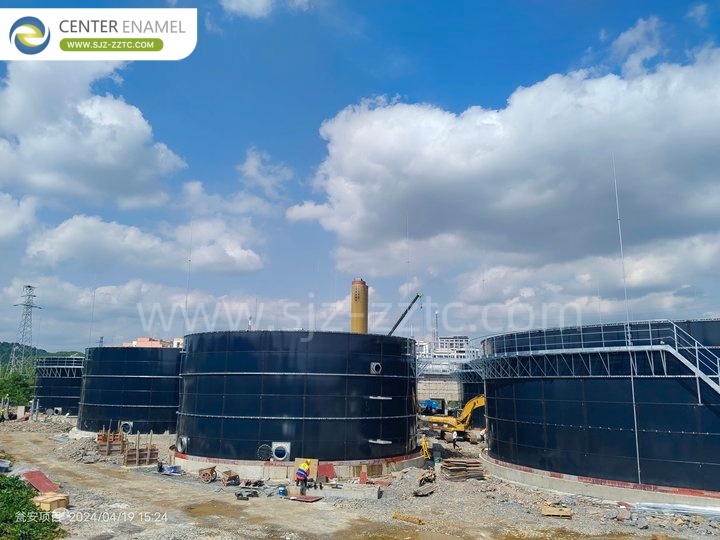
การปรับปรุงปุ๋ยววัว: โซลูชั่นไบโอแก๊สและถัง GFS ในออสเตรเลีย
| สถานที่กำเนิด: | จีน |
| ชื่อแบรนด์: | CEC TANKS |
| ได้รับการรับรอง: | ISO 9001:2008, AWWA D103 , OSHA , BSCI |
| หมายเลขรุ่น: | ว |
| จำนวนสั่งซื้อขั้นต่ำ: | 1เซ็ต |
| ราคา: | $5000~$20000 one set |
| รายละเอียดการบรรจุ: | PE โพลีโฟมระหว่างแต่ละแผ่นเหล็กสองแผ่น พาเลทไม้และไม้ |
| เวลาการส่งมอบ: | 10-30 วันหลังจากได้รับเงินมัดจำ |
| เงื่อนไขการชำระเงิน: | แอล/C, ที/ที |
| สามารถในการผลิต: | 60 ชุดต่อเดือน |
|
ข้อมูลรายละเอียด |
|||
| สถานที่กำเนิด | จีน | ชื่อแบรนด์ | CEC TANKS |
|---|---|---|---|
| ได้รับการรับรอง | ISO 9001:2008, AWWA D103 , OSHA , BSCI | หมายเลขรุ่น | ว |
| สีตัวถัง: | สีเขียวเข้ม / สามารถปรับแต่งได้ | ความสมบูรณ์ของการกัดกร่อน: | ยอดเยี่ยม |
| ความหนาของแผ่นเหล็ก: | 3 มม. ถึง 12 มม. ขึ้นอยู่กับโครงสร้างของถัง | ทนต่อสารเคมี: | ยอดเยี่ยม |
| ขนาดของแผง: | 2.4 ม. * 1.2 ม | ทำความสะอาดง่าย: | เรียบเนียน มันวาว เฉื่อย ป้องกันการยึดเกาะ |
| เน้น: | โซลูชั่นไบโอแก๊สสําหรับปุ๋ยววัว ถัง GFS สําหรับการบําบัดน้ําเสีย การบําบัดน้ําเสียด้วยไบโอแก๊สในออสเตรเลีย,GFS tanks for wastewater treatment,biogas wastewater treatment in Australia |
||
คําอธิบายสินค้า
การปรับปรุงปุ๋ยววัว: โซลูชั่นไบโอแก๊สและถัง GFS ในออสเตรเลีย
ในฐานะหนึ่งในผู้ผลิตเนื้อวัวและนมชั้นนําของโลก ภาคการเกษตรของออสเตรเลียเป็นเครื่องยนต์สําคัญของเศรษฐกิจแห่งชาติขนาดใหญ่ของอุตสาหกรรมนํามาซึ่งความรับผิดชอบด้านสิ่งแวดล้อมที่สําคัญสําหรับสถานีเลี้ยงวัวและสนามเลี้ยงวัวในออสเตรเลียการจัดการขยะสัตว์ไม่ใช่แค่ภารกิจทาง logistical มากกว่า มันเป็นความจําเป็นทางกลยุทธ์ เพื่อให้สมดุลระหว่างการเติบโตของอุตสาหกรรมกับการดูแลสิ่งแวดล้อมโดยการบูรณาการโซลูชั่นไบโอแก๊สโดยมีกระบวนการ CSTRและทนทานถังกระจกหลอมเหล็ก (GFS), ผู้ประกอบการฟาร์มกําลังปรับเปลี่ยนปุ๋ยอันตรายเป็นพลังงานที่สะอาดและสามารถปรับปรุงได้อย่างสําเร็จ
สถานการณ์ในภาคปศุสัตว์ของออสเตรเลีย และปัญหาของขยะ
ออสเตรเลียได้รับการยอมรับในระดับโลกสําหรับการเลี้ยงวัวที่กว้างขวางของมัน ตั้งแต่การเลี้ยงสัตว์ป่าไปยังพื้นที่เลี้ยงสัตว์ที่มีความหนาแน่นสูงมันผลิตขยะอินทรีย์ "ความแข็งแรงสูง" จํานวนมากหมอนแกะและน้ําเสียจากโรงเลี้ยงนม เป็นที่รู้จักกันดีว่ายากที่จะบําบัด เนื่องจากมีปริมาณสูงของสารแข็งที่ระงับและเส้นใยอินทรีย์ที่ซับซ้อน
การปล่อยขยะโดยตรงหรือการกําจัดขยะที่ไม่ถูกต้องในระบบนิเวศศาสตร์ที่หลากหลายของออสเตรเลีย ส่งผลให้เกิดอันตรายต่อสิ่งแวดล้อมอย่างหนัก:
การ สกปรก น้ํา: การละลายไนตรัตและสารก่อโรคไปในน้ําใต้ดินในท้องถิ่นและเขตเก็บน้ําของแม่น้ําที่สําคัญ
ปนเปื้อน แอร์โฟรส: การปล่อยเมธานและอะโมเนียกจํานวนมาก ส่งผลให้ออสเตรเลียมีก๊าซเรือนกระจก
ความเสี่ยงต่อสุขภาพประชาชน: หมักที่ไม่ได้รับการบํารุงรักษา อาจมีเชื้อโรคที่คุกคามทั้งความปลอดภัยทางชีวภาพของวัตถุเลี้ยงและสุขภาพของชุมชนท้องถิ่น
การ ปรับปรุง นโยบาย น้ําเสีย ของ ออสเตรเลีย
เพื่อตอบโจทย์กับปัญหาเหล่านี้ รัฐบาลออสเตรเลียและหน่วยงาน EPA ของรัฐได้ปรับเข้มงวดกฎหมายด้านสิ่งแวดล้อมอย่างสําคัญนโยบาย เช่น กลยุทธ์การจัดการคุณภาพน้ําแห่งชาติ และมอบหมายขยะทางการเกษตรในระดับรัฐต่าง ๆ ปัจจุบันต้องการอุปกรณ์ในการนําระบบการบําบัดมาตรฐานการเปลี่ยนแปลงกฎหมายนี้ได้เร่งการรับใช้โครงการ "เสียเป็นพลังงาน" ทําให้ฟาร์มสามารถสอดคล้องกับความมุ่งมั่นของประเทศในอนาคตที่ปล่อยก๊าซน้อย
จากขยะไปสู่พลังงาน: กระบวนการผลิตไบโอแก๊ส
การแปลงปุ๋ยววัวเป็นไบโอแก๊ส เป็นกระบวนการทางชีววิทยาที่ซับซ้อน ที่ดึงเอาคุณค่าสูงสุดจากผลิตภัณฑ์ทางการเกษตร
การสะสมขยะ: หมักและน้ําล้างถูกรวบรวมไว้ในบ่อน้ํากลาง
การย่อยอาหารแบบไม่แอโรบิก: น้ํายาสับซ้อนถูกนําเข้าไปในตัวปฏิกิริยาอนาเอโรบิก ซึ่งในสภาพแวดล้อมที่ไม่มีออกซิเจน แบคทีเรียจะทําลายสารอินทรีย์ผ่านสี่ขั้นตอน: ไฮดรอลิส, แอซิดอเจนเนส, แอเซตอเจนเนส และเมธาโนเจนเนส
การผลิตเมธาน: กระบวนการจับไบโอก๊าซ (หลักๆคือเมธาน) ภายในระบบ digester
การเรียกคืนทรัพยากร: บีโอแก๊สที่สะอาดถูกใช้ในการทําความร้อนในสถานที่หรือแปลงเป็นไฟฟ้าผ่านระบบพลังงานความร้อนและพลังงาน (CHP) ขณะที่ส่วนที่เหลือของสารย่อยเป็นปุ๋ยอินทรีย์ที่มีคุณภาพสูง
กระบวนการเฉพาะพิเศษแบบแอเนอโรบิก โดยศูนย์เอมเมล
Center Enamel ให้บริการชุดของเทคโนโลยีที่ทันสมัยที่ปรับปรุงตามลักษณะเฉพาะของน้ําเสียสัตว์เลี้ยง:
ซีเอสทีอาร์ (Completely Stirred Tank Reactor): มาตรฐานทองคําสําหรับปุ๋ยววัว มันใช้การปั่นกลไกเพื่อให้ปุ๋ยวที่มีปริมาณแข็งแรงสูงอยู่ในระยอง
USR (Upflow Solids Reactor): ออกแบบมาสําหรับขยะที่มีสารแข็งที่แขวนสูง ทําให้มีออร์แกนิคสูงและย่อยสลายเส้นใยได้สูงสุด
UASB (Upflow Anaerobic Sludge Blanket): ปรับปรุงให้ดีที่สุดสําหรับน้ําล้างเหลว โดยใช้ผ้าห่มแกรนูเลอร์สําหรับการบําบัดอย่างรวดเร็วและการกําจัด COD
อุปกรณ์ปฏิกิริยา IC (Internal Circulation): ระบบปฏิกิริยาที่มีอัตราการทํางานสูง โดยใช้การไหลเวียนของก๊าซลิฟท์ เหมาะสําหรับการแปรรูปน้ํานมในอุตสาหกรรมขนาดใหญ่
ข้อดีของถัง GFS: เหมาะสําหรับสภาพอากาศของออสเตรเลีย
สําหรับโครงการไบโอแก๊สทั่วออสเตรเลียถังกระจกหลอมเหล็ก (GFS)เป็นตัวเลือกหลักสําหรับโครงสร้างรางสร้างโรงงานปฏิกิริยา:
ความทนทานต่อการกัดกร่อนสูงกว่า: การเคลือบกระจกป้องกันเหล็กจากสารกัดเคือง H2S และกรดอินทรีย์ที่เกิดระหว่างการเจาะ
การจัดจําหน่ายแบบโมดูลอย่างรวดเร็ว: ไม่เหมือนกับคอนกรีต ถัง GFS ถูกบอลท์ไว้ในสถานที่ ทําให้ระยะเวลาในการก่อสร้างในพื้นที่ชนบทห่างไกลลดลงอย่างมาก
ความแข็งแกร่งต่อสภาพภูมิอากาศ: มันทนต่อระดับ UV ที่รุนแรงของออสเตรเลีย และความชื้นที่เปลี่ยนแปลงโดยไม่เสียสภาพ
การบํารุงรักษาน้อย: ด้านบนเรียบป้องกันการสะสมเกลียวและรับประกันอายุการใช้งานเกิน 30 ปี
ทําไมต้องเป็นพันธมิตรกับเซ็นเตอร์เอมเมล
เลือก Center Enamel หมายถึงการร่วมมือกับผู้นําโลกด้านวิศวกรรมสิ่งแวดล้อม กับโครงการในกว่า 100 ประเทศโปรแกรม EPC turnkeyจากการออกแบบกระบวนการทางชีววิทยา และการผลิตถัง จนถึงการติดตั้งและการสนับสนุนหลังการขายระบบของเราให้ความประสิทธิภาพและการปฏิบัติตามมาตรฐานสิ่งแวดล้อมของออสเตรเลียอย่างเคร่งครัด.
ประวัติความสําเร็จทั่วโลก: กรณีโครงการที่พิสูจน์
กรณีที่ 1: โครงการไบโอแก๊สสิงคโปร์
ขั้นตอนกระบวนการ: CSTR
ขนาดถัง:
φ18.34 × 8.4 m (H) ️ 1 หน่วย
φ8.41 × 9.0 m (H) 1 หน่วย
φ11.46 × 7.2 m (H) 1 หน่วย
ปริมาณรวม: 3,458 m3
ปีการเสร็จสิ้น: 2021
กรณี2: โครงการไบโอแก๊สของแคนาดา
ขนาดถัง: φ8.4 × 7.2 m (H) 2 หน่วย
ปริมาณรวม: 798 m3
ปีการเสร็จสิ้น: 2024
สรุป
สําหรับอุตสาหกรรมปศุสัตว์ของออสเตรเลียโซลูชั่นไบโอแก๊สกับกระบวนการ CSTRและถัง GFSเปิดให้บริการแนวทางการเปลี่ยนแปลงในการจัดการขยะ ความเชี่ยวชาญด้านวิศวกรรมของศูนย์ Enamel ช่วยให้เจ้าของฟาร์มสามารถปฏิบัติตามกฎระเบียบสิ่งแวดล้อมในขณะที่ลดต้นทุนพลังงานได้อย่างสําคัญโดยการแปลงปุ๋ยเป็นพลังงานที่สามารถปรับปรุงได้, เกษตรกรออสเตรเลียสามารถสร้างเศรษฐกิจหมุนเวียนที่ยั่งยืนที่ปกป้องทรัพยากรธรรมชาติและเพิ่มรายได้ในระยะยาวหลายทศวรรษ