-
กระจกแก้วหลอมเป็นถังเหล็ก (596)
-
ถังเหล็กไร้ขัด (434)
-
ถังอีพ็อกซี่ฟิวชั่นบอนด์ (592)
-
ถังเหล็กเหล็กเหล็ก (321)
-
หลังคาโดมอลูมิเนียม (1316)
-
ถังเก็บน้ําเสีย (231)
-
ถังเหล็กปั่น (457)
-
ภาชนะรับความดัน (295)
-
เครื่องย่อยแบบไม่ใช้ออกซิเจน (201)
-
ถังเก็บน้ำอุตสาหกรรม (349)
-
ถังเหล็กติดกระจก (180)
-
ถังเหล็กเกลียว (390)
-
ถังเก็บกากตะกอน (115)
-
ถังเก็บก๊าซชีวภาพ (173)
-
ถังเก็บน้ําละลาย (133)
-
ถังเก็บน้ําการเกษตร (179)
-
ถังน้ําไฟ (166)
-
โรงเก็บข้าว (146)
-
โครงการบิโอแก๊ส (425)
-
โครงการบำบัดน้ำเสีย (788)
-
หลังคา 2 แผ่น (223)

|
การแก้ไข EPC ที่ทันสมัยสําหรับโครงการบําบัดน้ําเสียของเครื่องดื่มในอินเดีย
| สถานที่กำเนิด: | จีน |
| ชื่อแบรนด์: | CEC TANKS |
| ได้รับการรับรอง: | ISO 9001:2008, AWWA D103 , OSHA , BSCI |
| หมายเลขรุ่น: | ว |
| จำนวนสั่งซื้อขั้นต่ำ: | 1เซ็ต |
| ราคา: | $5000~$20000 one set |
| รายละเอียดการบรรจุ: | PE โพลีโฟมระหว่างแต่ละแผ่นเหล็กสองแผ่น พาเลทไม้และไม้ |
| เวลาการส่งมอบ: | 10-30 วันหลังจากได้รับเงินมัดจำ |
| เงื่อนไขการชำระเงิน: | แอล/C, ที/ที |
| สามารถในการผลิต: | 60 ชุดต่อเดือน |
|
ข้อมูลรายละเอียด |
|||
| สถานที่กำเนิด | จีน | ชื่อแบรนด์ | CEC TANKS |
|---|---|---|---|
| ได้รับการรับรอง | ISO 9001:2008, AWWA D103 , OSHA , BSCI | หมายเลขรุ่น | ว |
| สีตัวถัง: | สีเขียวเข้ม / สามารถปรับแต่งได้ | ความสมบูรณ์ของการกัดกร่อน: | ยอดเยี่ยม |
| แผ่นเหล็กหนา: | 3 มม. ถึง 12 มม. ขึ้นอยู่กับโครงสร้างถัง | ทนต่อสารเคมี: | ยอดเยี่ยม |
| ขนาดของแผง: | 2.4m * 1.2m | ทำความสะอาดง่าย: | เรียบ, วาว, เฉื่อย, ต่อต้านการยึดเกาะ |
| เน้น: | โซลูชัน EPC สำหรับบำบัดน้ำเสีย,โครงการบำบัดน้ำเสียเครื่องดื่ม,อินเดีย การบําบัดน้ําเสีย EPC |
||
คําอธิบายสินค้า
การแก้ไข EPC ที่ทันสมัยสําหรับโครงการบําบัดน้ําเสียของเครื่องดื่มในอินเดีย
ในฐานะที่ประเทศอินเดียเป็นประเทศที่มีพลังงานในด้านการผลิตเครื่องดื่มทั่วโลก มีสาข่ายขนาดใหญ่ของสถานที่ผลิตเครื่องดื่มอ่อนแอ น้ําผลไม้ น้ําดื่มในขวด และโรงงานผลิตเบียร์ขนาดใหญ่ขณะที่ภาคนี้มีส่วนร่วมอย่างสําคัญในเศรษฐกิจของอินเดีย, มันยังมีปัญหาด้านสิ่งแวดล้อมที่ซับซ้อนด้วยรัฐบาลอินเดียที่ขยายความเข้มข้นในกฎระเบียบการปล่อยน้ําผ่านคณะกรรมการควบคุมมลพิษกลาง (CPCB) และเน้นในนโยบาย "การปล่อยน้ําเหลวแบบศูนย์", ผู้ผลิตเครื่องดื่มต้องนํามาใช้กลยุทธ์การจัดการน้ําเสียที่พัฒนา เพื่อให้แน่ใจว่ามีการปฏิบัติตามและยั่งยืน
สําหรับผู้ประมวลผลหลายคน การร่วมมือกับมืออาชีพผู้รับเหมา EPCสําหรับผู้เชี่ยวชาญโครงการบําบัดน้ําเสียจากเครื่องดื่มเป็นเส้นทางที่สําคัญในการเปลี่ยนความรับผิดชอบต่อสิ่งแวดล้อม เป็นทรัพย์สินพลังงานที่มีคุณค่าสูง
สถานการณ์ของน้ําเสียสําหรับเครื่องดื่มในอินเดีย
ในอินเดีย การจัดการน้ําเสียอุตสาหกรรมถูกกํากับโดยนโยบายแห่งชาติที่เข้มงวด เพื่อปกป้องระบบแม่น้ําและน้ําใต้ดินที่สําคัญของประเทศผู้ผลิตเครื่องดื่มต้องเผชิญกับอุปสรรคทางการดําเนินงานและกฎหมายที่พิเศษ:
มาตรฐานการปล่อยน้ําหนักที่เข้มงวด: กรมควบคุม เช่น CPCB และคณะกรรมการควบคุมมลพิษของรัฐ (SPCBs) กําหนดขั้นต่ําอย่างเข้มงวดต่อความต้องการออกซิเจนทางเคมี (COD) ความต้องการออกซิเจนทางชีววิทยา (BOD) และสารแข็งที่ละลายทั้งหมด (TDS)
ความเข้มข้นของสารอินทรีย์สูง: การ ผลิต เครื่องดื่ม สร้าง น้ําลาย ที่ มี น้ําตาล, ซีรัป และ ผลาญ อินทรีย์ มาก ซึ่ง ส่ง ผล ให้ มี ปนเปื้อน มาก ที่ ระบบ ปกติ ไม่ สามารถ รับมือ ได้ อย่าง มี ประสิทธิภาพ
การขาดแคลนน้ําและการรีไซเคิล: เนื่องจากความท้าทายด้านน้ําของอินเดีย นโยบายเพิ่มขึ้นที่สั่งการการรีไซเคิลประสิทธิภาพสูงและการฟื้นฟูทรัพยากร
การไม่ปฏิบัติตามมาตรฐานเหล่านี้ อาจส่งผลให้มีการลงโทษทางกฎหมายอย่างหนัก การปิดโรงงาน และการทําลายสิ่งแวดล้อม
แหล่งและลักษณะของการผลิตน้ําเสียจากเครื่องดื่ม
น้ําเสียในอุตสาหกรรมเครื่องดื่มถูกผลิตผ่านหลายระยะที่ใช้น้ํามาก แต่ละระยะส่งผลให้เกิดปนเปื้อนชนิดที่แตกต่างกัน
การเตรียมวัตถุดิบ: การ ล้าง ผล ไม้, ผัก, หรือ ข้าว ผลิต จะ ปล่อย น้ําตาล และ สารแข็ง อินทรีย์ โดยตรง ไป ใน ธารพุธ.
การผลิตและการประกอบ: การเปลี่ยนผลิตภัณฑ์, การรั่วไหลโดยอุบัติเหตุ, และการล้างเครื่องมือ นํามาซึ่งปริมาณสูงของสารสกัดรส, ซีรัป, และสารหวาน
การทําความสะอาดและสุขอนามัย (CIP): วงจร Clean-In-Place (CIP) ที่เข้มงวดเป็นสิ่งจําเป็นสําหรับความสะอาด แต่ใช้สารกรดและแอลคาลีน ส่งผลให้ระดับ pH ในน้ําเสียเปลี่ยนแปลงมาก
การประมวลผล: ถังล้างและล้างขวดสร้างปริมาณของขยะที่คงที่ที่มีผลิตภัณฑ์ที่เหลือ, สารซักฟอก, และฉลาก
กระบวนการบําบัดน้ําเสียเครื่องดื่มที่บูรณาการ
ศูนย์เอเนมอลผู้รับเหมา EPC, ออกแบบระบบมือสองที่แปลงน้ําเสียซับซ้อนเป็นน้ําสะอาดและไบโอแก๊สที่สามารถปรับปรุงได้ผ่านกระบวนการหลายขั้นตอนที่ซับซ้อน:
การบําบัดก่อนทางกล: เครื่องสกรีนบาร์กลและเครื่องกรองละเอียด ถอนเศษขยะขนาดใหญ่และก้อนหินเพื่อปกป้องอุปกรณ์ที่ nhạy cảmในลําดับล่าง
การกําจัดน้ํามันและไขมัน: เครื่องระบายอากาศละลาย (DAF) ใช้ในการแยกไขมัน, น้ํามัน และสารแข็งที่แขวน ซึ่งเป็นสิ่งสําคัญสําหรับสายน้ําผึ้งและอาหารนม
การปรับความเท่าเทียมและการควบคุม pH: ถังควบคุมทําให้อัตราการไหลและองค์ประกอบทางเคมีมั่นคง เพื่อให้เรอคเตอร์ชีววิทยาได้รับอาหารที่สม่ําเสมอและสมดุล
การย่อยอาหารแบบไม่แอโรบิก: นี่คือหัวใจของโครงการ โดยแบคทีเรียที่เชี่ยวชาญจะแยกสารอินทรีย์ในภาวะที่ไม่มีออกซิเจน เพื่อผลิตไบโอแก๊สที่อุดมไปด้วยเมธาน
การเคลือบแบบแอโรบิก: การบําบัดหลังการใช้ยาแอเนอโรบิค กระบวนการแอเนอโรบิคยังลดระดับ COD / BOD เพื่อให้แน่ใจว่าการปล่อยสารสุดท้ายตรงกับมาตรฐานสิ่งแวดล้อมที่เข้มงวดที่สุดของอินเดีย
เทคโนโลยี Anaerobic หลัก: CSTR, UASB, USR และ IC
ความสําเร็จของโครงการบําบัดน้ําเสียจากเครื่องดื่มขึ้นอยู่กับการเลือกเทคโนโลยีปฏิกิริยาที่ดีที่สุดที่เหมาะสมกับโปรไฟล์น้ําเสียเฉพาะเจาะจง
ซีเอสทีอาร์ (Continuous Stirred Tank Reactor): เหมาะสําหรับขยะที่มีสารแข็งสูง เช่น ผงผลไม้ ใช้การปั่นกลไกเพื่อรักษาสภาพแวดล้อมที่เหมือนกันเพื่อผลิตไบโอแก๊สสูงสุด
UASB (Upflow Anaerobic Sludge Blanket): โซลูชั่นระดับสูงสําหรับน้ําเสียระยะเหลว โดยใช้ผ้าห่มก้อนหนาแน่นเพื่อบรรลุการกําจัด COD ที่สูงในระยะที่คอมแพคต์
USR (Upflow Solids Reactor): ได้ถูกออกแบบมาโดยเฉพาะสําหรับน้ําเสียที่มีปริมาณของสารแข็งที่ระงับสูงขึ้น (SS) เพื่อให้แน่ใจว่าอนุภาคอินทรีย์ถูกย่อยให้หมด ก่อนที่จะก้าวไปสู่ระยะต่อไป
อุปกรณ์ปฏิกิริยา IC (Internal Circulation): ระบบปฏิกิริยา "รุ่นต่อไป" ที่มีระบบหมุนเวียนภายในที่ทําให้มีอัตราการบรรจุสารอินทรีย์ที่สูงมากและมีความมั่นคงสูงสําหรับโรงงานผลิตน้ํานมและเครื่องดื่มอุตสาหกรรมขนาดใหญ่
รากฐานความเป็นเลิศ: ถังแก้วหลอมเหล็ก (GFS)
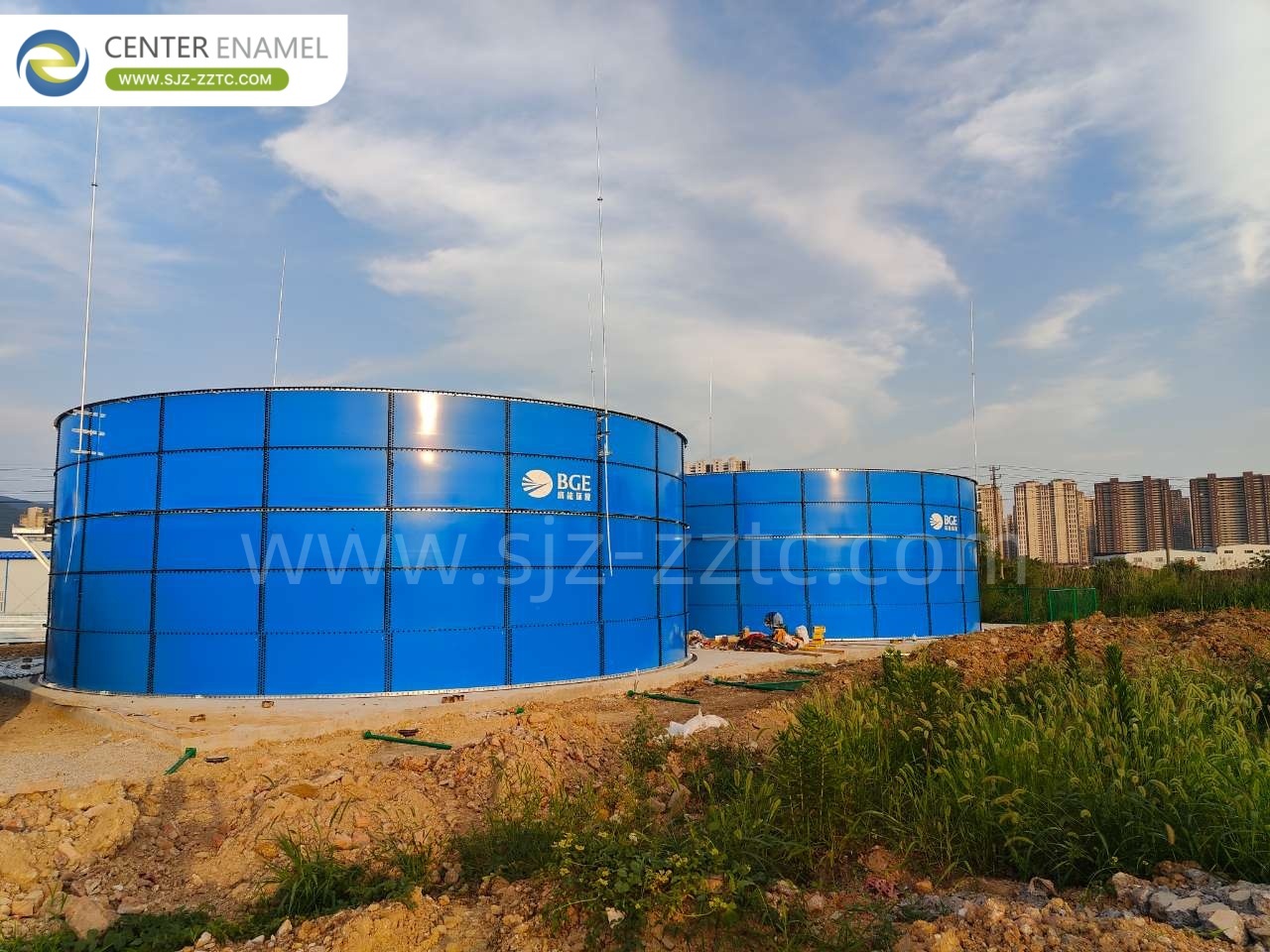
เซ็นเตอร์เอเนมอลใช้สิทธิพิเศษถัง GFSในฐานะภาชนะประกอบการหลักสําหรับโครงการของมัน ซึ่งมอบข้อดีอันโดดเด่นให้กับอุตสาหกรรมเครื่องดื่ม
ความทนทานต่อการกัดกร่อนสูงกว่า: การผสมผสานกระจกและเหล็กสร้างพื้นผิวที่อ่อนแอ ที่ทนทานต่อกรดอินทรีย์และสารเคมี CIP ที่รุนแรงที่พบในขยะเครื่องดื่ม
การ สร้าง โมดูล เร็ว: การออกแบบแบบบอลท์ทําให้การติดตั้งเร็วขึ้นมาก กว่าถังคอนกรีตแบบดั้งเดิม ลดเวลาหยุดทํางานให้น้อยที่สุดสําหรับโรงงานอินเดียที่ยุ่งยาก
ความ ทนทาน และ อายุ ยาว: ออกแบบให้ใช้งานได้นานกว่า 30 ปีถัง GFSทนกับสภาพภูมิอากาศที่หลากหลาย จากความชื้นสูงถึงอุณหภูมิสุดขั้ว โดยต้องดูแลอย่างน้อย
ความสามารถในการปรับขนาด: ลักษณะแบบจําแนกของถัง GFSทําให้ผู้ผลิตสามารถขยายหรือย้ายสถานที่ของตนได้อย่างง่ายดาย เมื่อศักยภาพการผลิตเพิ่มขึ้น
ทําไมต้องเลือก Center Enamel เป็นผู้รับเหมา EPC ของคุณ
การเลือกเซ็นเตอร์เอเนมอล (Choosing Center Enamel) รับประกันประสบการณ์ที่เรียบร้อย "จากจุดหยุดเดียว" ตั้งแต่การออกแบบเบื้องต้นจนถึงการใช้งานสุดท้าย
ความเชี่ยวชาญทางเทคนิคทั่วโลก: ด้วยโครงการที่ดําเนินการอย่างสําเร็จในกว่า 100 ประเทศ เรานําแนวปฏิบัติที่ดีที่สุดของสากลไปยังผู้ประมวลผลอินเดียในท้องถิ่น
วิศวกรรมที่เหมาะสม: ระบบถูกออกแบบอย่างแม่นยํา เพื่อรองรับสภาพภูมิอากาศเฉพาะเจาะจงของอินเดีย และลักษณะของน้ําเสีย
การบูรณาการระบบเต็ม: จากถัง GFS ไปยังตัวเก็บก๊าซ 2 แผ่น และการควบคุมอัตโนมัติที่ทันสมัย
ประสบ ผล สําเร็จ: การ ศึกษา กรณี ทั่ว โลก
กรณีที่ 1: โครงการบําบัดน้ําเสียจากเครื่องดื่มในมาลีและกินี
สถานที่: มาลีและกินี
ปีการติดตั้ง: 2024
กระแสกระบวนการ: DAF + การปรับกรดแบบไฮดรอลิสติก + การออกซิเดชั่นจากการติดต่อทางชีววิทยา + การชําระดิน + การออกซิเดชั่นโอโซน
ความจุในการบําบัด: 100 m3/วัน
กรณีที่ 2: โครงการบําบัดน้ําเสียของโรงงานเครื่องดื่มเปรู
ขนาดถัง:
Φ5.35 × 4.8 m (H) 1 หน่วย
Φ6.11 × 6.6 m (H) ️ 2 หน่วย
Φ8.41 × 9.0 m (H) 1 หน่วย
Φ7.64 × 5.4 m (H) 1 หน่วย
ปริมาตรรวม: 1,241 m3
วันที่ติดตั้ง: 2025
สําหรับผู้ประมวลผลเครื่องดื่มในอินเดีย ศูนย์เอเนมอลเสนอเส้นทางที่ชัดเจนไปสู่การเติบโตอย่างยั่งยืน โดยเปลี่ยนน้ําเสียจากความเป็นหนี้ไปเป็นทรัพย์สินพลังงานที่มีคุณค่าสูง